The inspection intelligence inside your fabric inspection machine.
Pindeed supplies the detection engine, operator software and machine interface that turn an inspection machine into an AI inspection machine. Field-proven on production lines. Built to be integrated and shipped by machine builders.
- check_circleNo sample collection, no labelling — each fabric is learned from its first metres, so a new style is inspected from its first lot
- check_circleDefect type, size and position in one report — size and position both to the millimetre, position taken from the machine's own encoder
- check_circleDetection rate above 95% on deployed lines; embossed, jacquard, knitted and woven fabrics alike
- check_circleShort delivery cycle, in production as soon as it is installed; run and supported entirely from off site
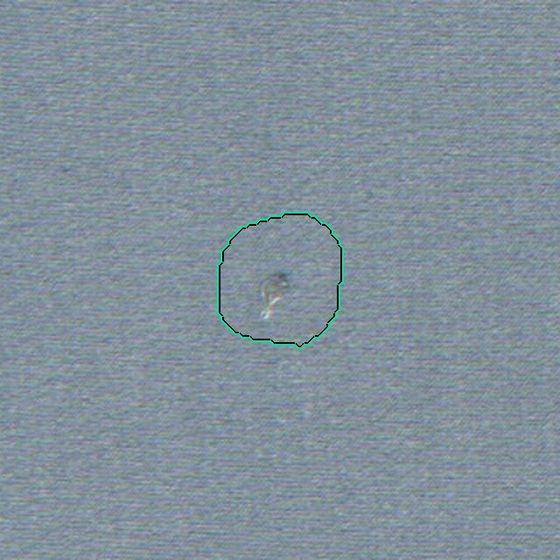
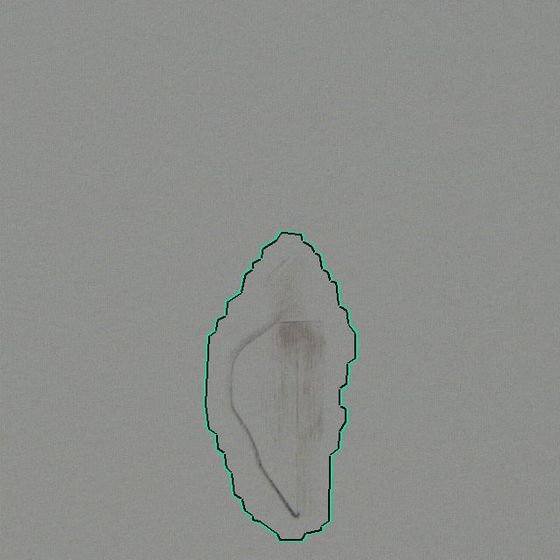
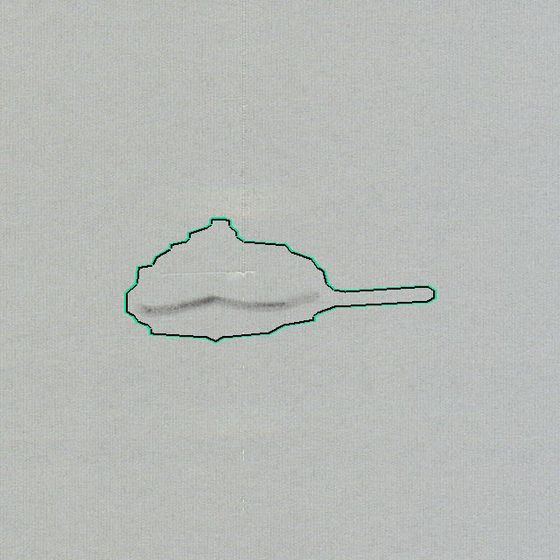
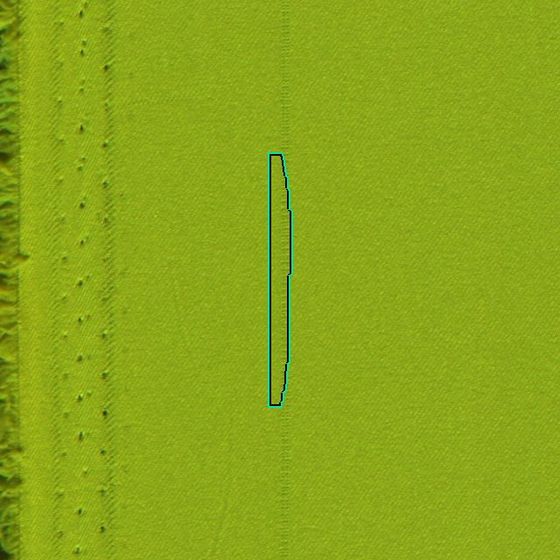
Four regions cut from production frames on a deployed line. The outline is the engine's; the size is what it measured.
Figures read from the inspection database of a single deployed line. Every image on this site is a real frame from that line; none is rendered or generated.
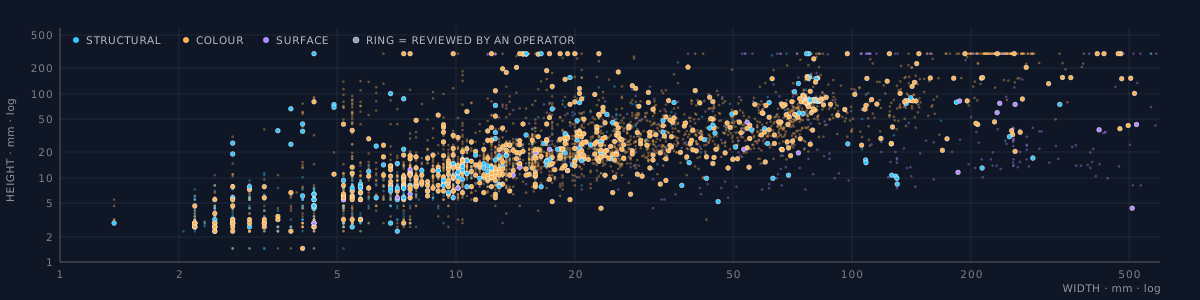
Regions the line has reported, plotted by width and height (mm, log scale) and coloured by kind. Ringed points are the ones an operator confirmed, rejected or retyped. Drawn from the same database as the figures above.
Real detections, at real size.
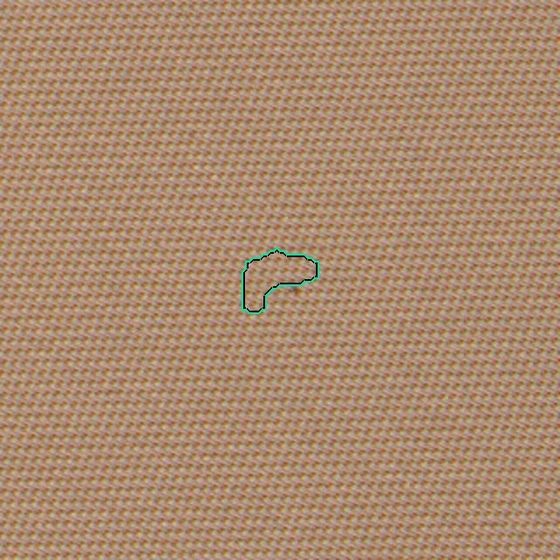
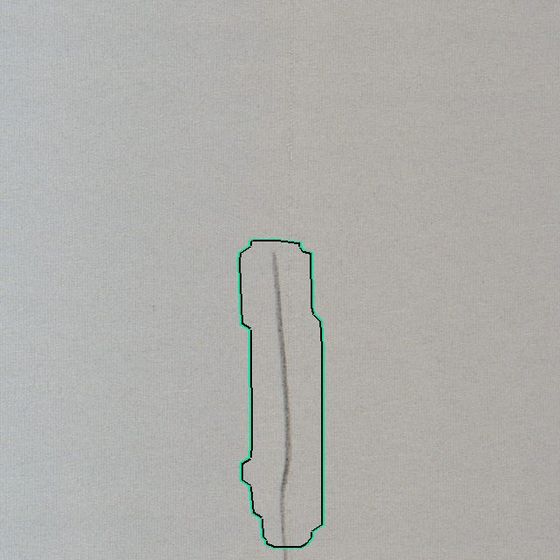
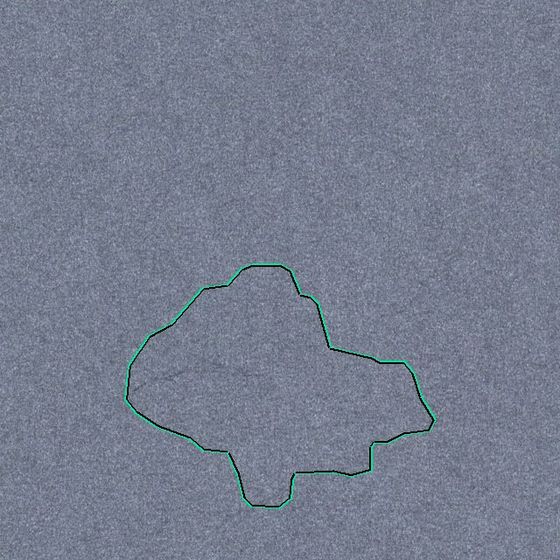
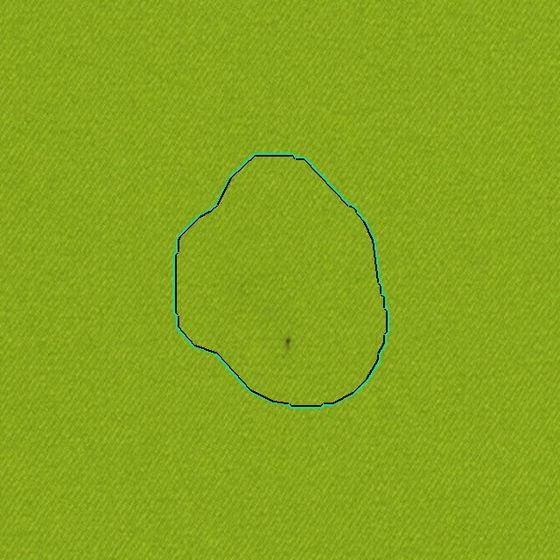
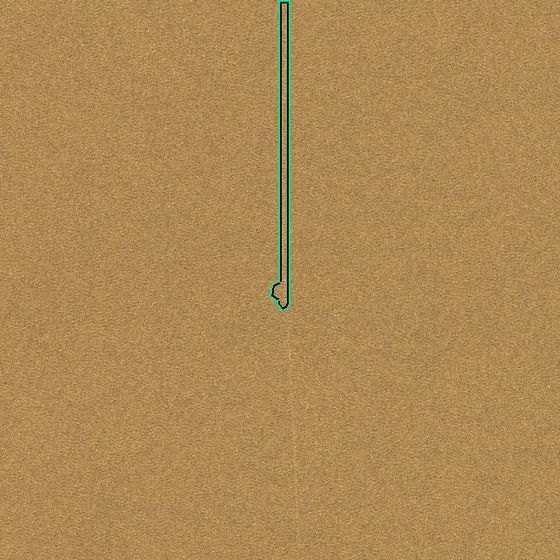
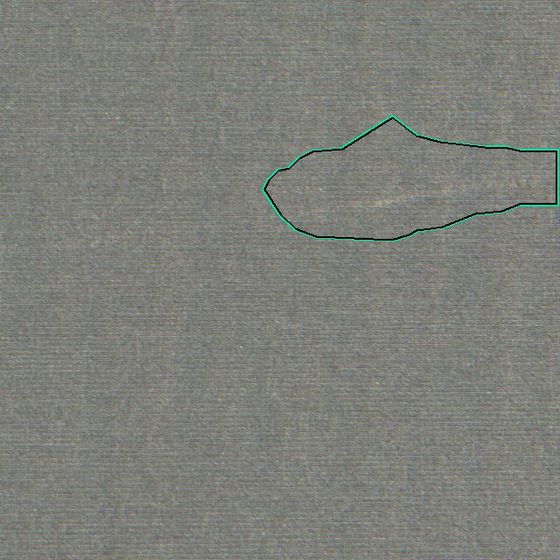
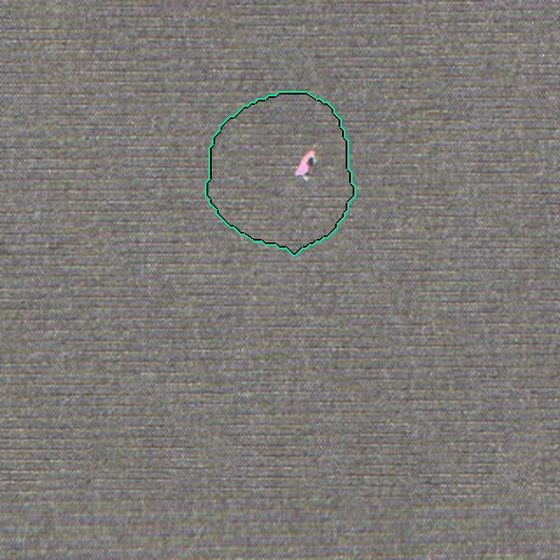
Crops from production frames. The outline is the region the engine reported; the size is what it measured. Types follow the customer's own defect scheme.
Three layers. You build the machine; we make it see.
We do not build inspection machines. We supply the part a machine builder cannot buy off the shelf: the detection engine, the operator software around it, and the interface that binds both to the machine.
Detection engine
Algorithms and models that learn what "normal" looks like for each fabric and flag what departs from it — then classify, measure and locate every region.
- Learns each fabric from normal material — no sample collection, no labelling
- Structural, colour and surface faults reported in one list
- Classification into the customer's defect scheme
- Size and position to the millimetre, with severity and confidence
- Operator confirm / reject keeps the models improving on the machine
Operator software
The touch-screen application the inspector works on all shift: live view, defect list, cut marks, roll records, reports — bilingual, built for a touch screen.
- Live frames with outlined regions and a metre ruler
- One-tap confirm, reject, retype; manual marking in manual mode
- Roll / piece records, cut points, grading, points per 100 m
- Defect scheme editor, user roles, light and camera settings
- ERP interface: published field spec, configured on site
Machine integration
Everything that ties the software to your mechanics and controls, so it ships as part of your machine rather than as a box beside it.
- Modbus TCP handshake with the machine PLC: run / stop, speed, position
- Encoder-driven line-scan acquisition; mm-per-pixel calibration
- Camera and lighting specification; auto exposure and light guard
- Fits new machine designs and existing ranges alike
- Remote diagnostics and over-the-air updates
The hard part is not the model. It is keeping it right on a real line.
No sample collection. Inspecting from day one.
Mills change fabrics daily. The engine learns each fabric from normal material and flags what departs from it — no sample collection, no labelling project. A new style is inspected on its first lot, and a new machine is commissioned in days, not months.
Any fabric, any pattern
Embossed, jacquard, printed, knitted and woven — plain grounds and patterned fabrics run on the same engine with the same configuration. The pattern is learned as part of the fabric's normal appearance, so it is not reported as a defect.
Detection rate above 95%
Measured on deployed production lines against operator review, across the fabric range those lines run. False alarms are tracked per machine and driven down through the feedback loop.
Short delivery cycle, producing on day one
Software is delivered as a ready image for the industrial PC. There is no data collection phase and no model training project before the machine earns its keep: once the cameras and lights are mounted and calibrated, the machine goes straight into production inspection.
Commissioned, updated and supported from off site
Commissioning, tuning, version updates and fault diagnosis are all done remotely over a channel the factory opens. Your service team is not waiting for anyone to fly in, and machines anywhere in the world are supported the same way.
Gets better with every shift, and the data stays in the factory
Every confirm, reject and retype on the screen is stored with its image and folded back into the models on the machine itself. Imaging stays calibrated through lighting drift and edge movement. Nothing depends on a cloud.
Building or retrofitting an inspection machine?
Get in touch and tell us about the machine. An engineer replies.